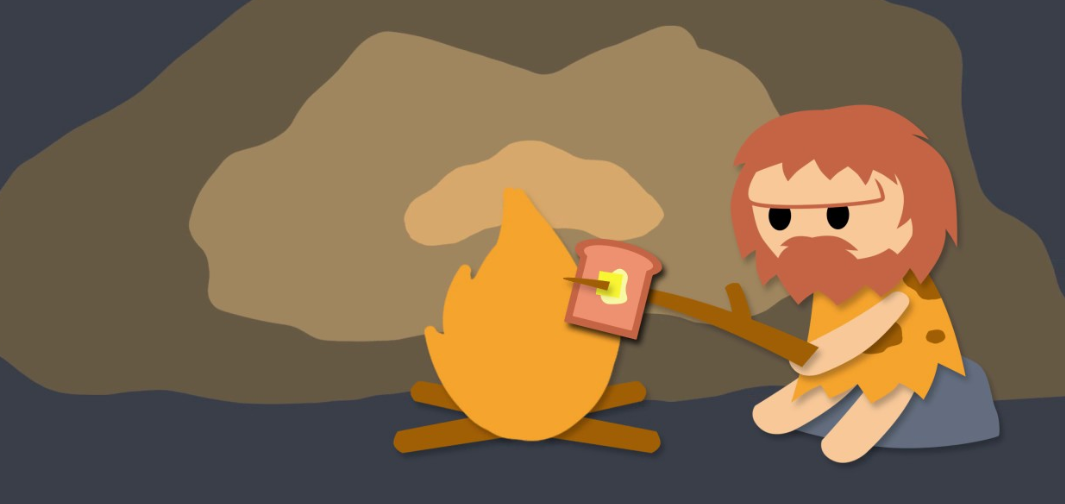
A Brief History of Toast
Toast — the golden, crispy slice we know and love — has been around for *thousands* of years. Its story begins not with breakfast, but with preservation.
Ancient Beginnings
The word *toast* comes from the Latin **"tostare"**, meaning “to scorch” or “to burn.” Ancient Egyptians are believed to be among the first toasting bread over fire to prevent mold and make it last longer. This simple innovation spread through the Roman Empire, where bread was toasted over hot stones or open flames. #Middle Ages to Early Modern In medieval Europe, toast was often used not as food, but as a *utensil*. Stale, toasted bread called a "trench" or "trencher" acted as an edible plate for stews or meats — and was often eaten afterward (or given to dogs or the poor). By the 1600s, people were dropping toast into wine or ale to improve the flavor. This is where the modern **“to toast”** (as in raising a glass) comes from — literally, people drank to health *with toast in the cup*. The Electric Revolution In 1893, the first electric toaster prototype was born, though it was unreliable and slow. The game changed in **1921**, when Charles Strite patented the first automatic pop-up toaster — making home toasting safe and convenient. From then on, toast became a breakfast icon.